Model-specific buying guide
LED Masks for Melasma: What to Check Before Buying
We cannot recommend a best home LED mask specifically to treat melasma. The documents reviewed here do not establish that Omnilux Contour Face is a melasma treatment. Its manufacturer warns against using it for conditions outside its listed indications. If pigmentation is your main reason for shopping, start by confirming the diagnosis and discussing a treatment plan with a dermatologist before buying a mask.
That is a different decision from buying an LED device for a labeled cosmetic concern while also having dark patches. A mask promoted for fine lines does not automatically become a pigment treatment, and a shopper with melasma needs more than a “brightening” promise. Separate a device’s documented intended use from general pigmentation marketing before deciding whether to investigate it.
What should you establish before comparing masks?
Establish what the dark areas are and what you want treatment to change. The American Academy of Dermatology explains that a dermatologist can distinguish melasma from other conditions and tailor care. A photograph in a product review cannot make that diagnosis for you, even when the reviewer's patches look similar.
Take a short history to the appointment: when the discoloration appeared, whether it changes, what products you use, and any medicines or procedures. Bring the proposed mask's full model name and manual rather than a screenshot saying “red light.” Those details give the clinician something concrete to assess. Do not stop prescribed medicines to make a device seem suitable; ask the prescribing clinician about any concern.
A useful written goal is specific: “I want advice about these patches,” rather than “I need a stronger skincare routine.” If your main concern has not been identified, an expensive mask adds another purchase before the central question is answered. Keeping the diagnosis and shopping decisions separate also makes it easier to tell which recommendation is medical advice and which is a manufacturer's product claim.
Why do wavelength lists fail to identify a winner?
A red, near-infrared, amber or blue label does not by itself demonstrate a result for diagnosed melasma. A product page must connect the exact device, intended use and supporting research. Merely matching a wavelength mentioned in a paper is not enough to show that the purchased mask reproduces that study's treatment or outcome.
When a seller cites research, ask whether participants actually had melasma, whether the tested device is the one for sale, and what else participants used. A study measuring wrinkles cannot answer a pigment question. Likewise, a photo of a participant using both prescribed treatment and a light device does not isolate what the device contributed. These are basic checks on the claim, not a substitute for clinical interpretation.
Look for the full paper and its methods, not just a percentage graphic. Ask how improvement was measured, whether there was a comparison group, and how long follow-up lasted. If the seller cannot supply that information, record the claim as unresolved. Do not replace missing evidence with a brand's reputation or the number of positive reviews.
What does the Omnilux documentation actually permit?
The Contour Face page describes red and near-infrared light for visible signs of aging. The separate manufacturer contraindications say not to use the system for conditions outside its indications. We therefore do not translate the brand's skin-tone language into a melasma recommendation.
That document also excludes use during pregnancy, planned pregnancy and breastfeeding, and lists photosensitivity-related restrictions. Read the complete current instructions, including medication and eye-related exclusions. This short summary cannot screen every reader. A seller's reassuring answer in a chat window should not override the written device restrictions.
Contour Face, Omnilux Clear and other devices in the brand's range are separate products. Changing to an acne device, another light color or a more expensive model does not solve the missing melasma indication. For a purchase aimed at the Contour's labeled cosmetic use, our Contour value guide addresses routine, fit and seller checks separately.
What deserves attention before spending the mask budget?
The AAD's melasma self-care guidance emphasizes sun protection and notes that visible light can worsen melasma, particularly in darker skin tones. It recommends tinted sunscreen containing iron oxide, alongside broad-spectrum SPF 30 or higher, water resistance and other sun-protection measures. Follow your clinician's plan and the sunscreen label.
For shopping purposes, that means reading the actual package instead of assuming every tinted cosmetic is an appropriate sunscreen. Check the labeled protection, ingredients and shade you would realistically wear. An expensive mask should not consume the budget for the ordinary products your clinician wants you to use consistently. We have not selected a universal sunscreen because shade, tolerance and individual advice matter here.
AAD also recommends gentle, fragrance-free skincare and explains that irritation can darken spots. If your routine already stings, buying another device and several new serums together makes the situation harder to evaluate. Bring the existing products to your appointment before building a “pigment bundle” around an affiliate shopping list.
How should you compare an advertised treatment with a clinic procedure?
Do not treat the word “light” as proof that two treatments are interchangeable. AAD describes selected laser and light procedures as possible additions to medication and sun protection under a board-certified dermatologist's care. That description does not endorse an arbitrary consumer LED mask. Ask the clinician which exact procedure is proposed and why it fits your diagnosis.
For a clinic consultation, request the expected benefit, likely number of visits, total cost and follow-up plan. For a home device, request its written intended use and restrictions. Put those answers in separate columns. Comparing a clinic quotation with a retail price alone leaves out what is being offered and who is assessing suitability.
If a home-mask seller uses “professional results” without naming the relevant study and device, treat that as marketing to investigate. You should be able to explain the reason for buying in plain language without relying on that phrase. Otherwise, the purchase case is not ready.
What should your final decision look like?
Start here: confirm the diagnosis, bring the exact device documents to your dermatologist, and prioritize the agreed care plan. Keep a copy of the advice and the product instructions so that future shopping does not restart from an advertisement. Ask what changes should prompt another appointment and how progress should be assessed.
Skip this first: a mask ranked primarily by colors, prestige or unsupported “pigment-safe” language. We are not naming an Amazon substitute for an unverified treatment. The absence of a recommendation is deliberate: a product card would imply a level of suitability that our reviewed evidence does not establish.
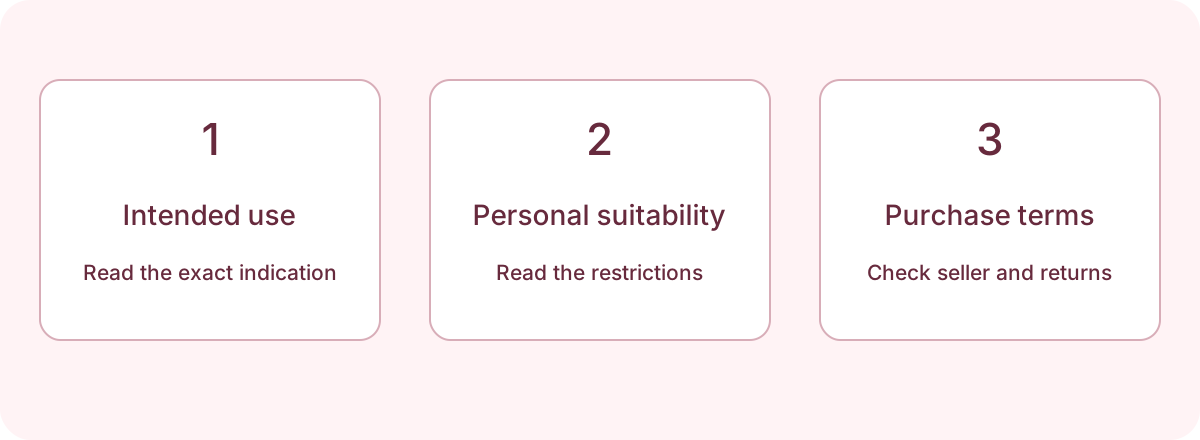
If you later consider a device for a different, labeled cosmetic goal, evaluate that goal on its own. Check authorized seller status, returns after opening and warranty coverage before paying. For other researched comparisons, visit the Beauty hub; those pages also require their own model and suitability checks.
Research checked October 18, 2026. Sources linked beside relevant claims: AAD diagnosis/treatment and self-care guidance; Omnilux Contour Face product documentation and contraindications. This guide does not diagnose pigmentation or prescribe treatment. No consumer mask is endorsed here for melasma.